
Addressing the Intersection of Age and Disability Policy Challenges in India

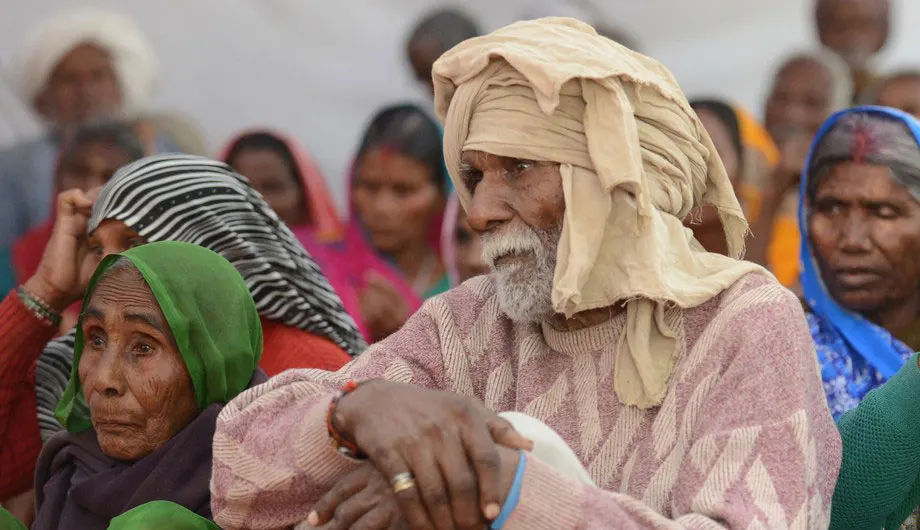
The intersection of age and disability presents unique policy challenges in India, where the aging population is growing, and individuals with disabilities face diverse needs. Addressing these challenges requires a comprehensive and inclusive approach.
Integrated Healthcare Services: Older individuals with disabilities may require integrated healthcare services that address both aging-related and disability-specific needs. Policies should focus on ensuring accessible and quality healthcare services, including rehabilitation and assistive devices.
Inclusive Social Protection: Social protection programs, such as pensions and disability benefits, need to be inclusive and consider the intersection of age and disability. Policies should address the financial vulnerabilities faced by older individuals with disabilities.
Accessible Infrastructure: Infrastructure, including public transportation, buildings, and public spaces, should be designed to be accessible to both aging individuals and those with disabilities. Policies should mandate and enforce universal design principles.
Employment Opportunities: Policies should promote inclusive employment opportunities for individuals with disabilities, including older adults, recognizing that they may face unique challenges in the job market. This involves addressing age-related discrimination and ensuring workplace accommodations.
Social Inclusion and Awareness: There is a need for policies that promote social inclusion and raise awareness about the intersection of age and disability. This includes dispelling stereotypes and fostering a more inclusive societal attitude towards aging individuals with disabilities.
Legal Protections and Rights: Legal frameworks should explicitly recognize and protect the rights of individuals at the intersection of age and disability. This involves addressing issues such as guardianship, decision-making capacity, and protection against abuse or neglect.
Training for Caregivers and Service Providers: Policies should focus on training caregivers, healthcare professionals, and service providers to understand the unique needs of individuals at the intersection of age and disability. This includes training on assistive technologies and geriatric care.
Research and Data Collection: Robust data collection and research are essential to understanding the specific challenges faced by individuals at the intersection of age and disability. Policies should support research initiatives that inform evidence-based policymaking.
International Collaboration: Collaboration with international organizations and sharing best practices can enhance the effectiveness of policies addressing the intersection of age and disability. Learning from global experiences can inform context-specific solutions in India.
Addressing the intersection of age and disability requires a multidimensional and collaborative policy approach that involves government agencies, NGOs, healthcare providers, employers, and the community. Policies should be informed by the voices and experiences of older individuals with disabilities and should be continuously evaluated and updated to meet evolving needs.